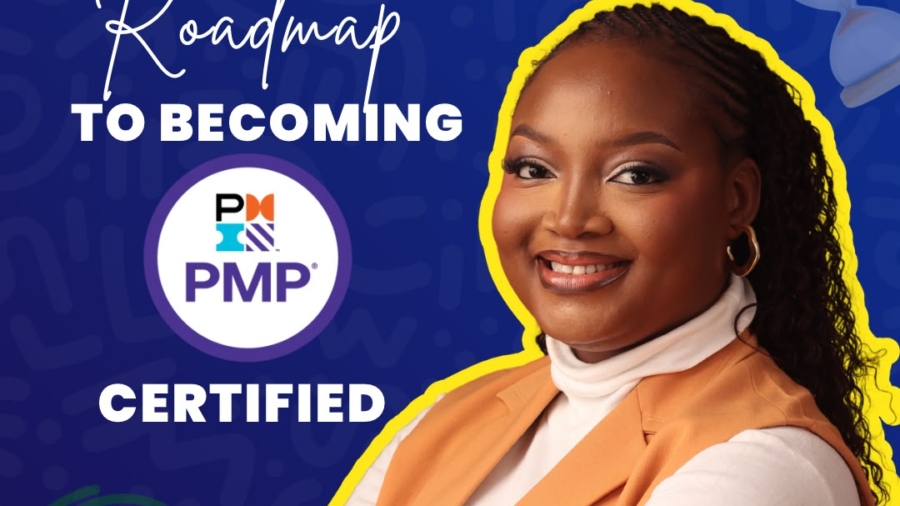
For a long time, becoming PMP certified was one of those goals that lived somewhere in the future.I knew I wanted it, I talked about it, and I thought about what it would mean to become PMP certified, but wanting something and actually committing to the journey are two very different things.
Interestingly, my PMP journey started years before I even knew what project management was.
Looking back now, I can see that the road to becoming PMP certified was never one straight line. It was a collection of experiences that eventually brought me to the exam room.
Remember why you started
Somewhere around 2019/2020, I was simply the girl who loved planning things. I enjoyed planning hangouts with friends and family. I liked making sure everything came together. At the time, I didn’t think of any of this as project management. I just thought I was organised.
I didn’t realise that the same skills I was using to plan a hangout- coordinate people, think ahead, manage details were introducing me to something that would eventually become such an important part of my career.
In 2022, I came across the term project management, started learning about it, and saw myself in it and that was when I realised that I had actually been doing some of this already. That realization sent me in a new direction. I began volunteering with NGOs and taking on project manager and project coordinator roles. The more I did, the more I knew this wasn’t just something I could do; It was something I genuinely enjoyed.
That’s an important part of any big goal: remembering that the person you are today is standing on the shoulders of everything you’ve already done.
Build the Knowledge and take a chance
As my experience grew, so did my interest in the PMP.
In January 2025, I enrolled in Dataleum‘s 5-week Project Management training. For me, this was another important part of the roadmap. I wasn’t just working towards an exam, I was deliberately investing in my understanding of project management and strengthening the knowledge I had already begun building.
I completed the training with excitement and I began to see the certification as more than just another qualification to add to my CV so I didn’t want to rush into the exam simply because I wanted the certification, I wanted to be ready. Due to this, I postponed the exam. Not because I didn’t care about it, but because I cared enough about what it represented to want to approach it properly. Looking back, I realise there is a very thin line between preparing well and waiting forever.
There will almost always be something else you could learn. Eventually, you have to decide that preparation has to lead somewhere.
Create a plan
Once I decided I was going to take the exam, I knew I couldn’t leave my preparation to chance, I needed a plan. Working while preparing for the PMP wasn’t easy. There were still deadlines at work. There were still responsibilities. There were still long days when studying was the last thing I wanted to do so I had to make the time.
I decided to create a study plan, and I set myself an ambitious target: Finish the entire PMBOK in two weeks. It sounds almost unreasonable when I say it now, but I did it. There were days when I had to push myself to sit down and study when I would have rather rested. But every time I wanted to put it off, I remembered why I had started.
Don’t wait until you have “free time”. Decide what matters, create the time and protect it.
Learn to Trust the Preparation
Even with the studying, the training and the experience, doubt still showed up. Thankfully, I wasn’t doing it alone. My supervisor and colleagues encouraged me throughout the journey. I had access to materials from my training, and I had built up enough experience to remind myself that I wasn’t starting from zero.
The difference between where I started and where I eventually found myself wasn’t that the exam had suddenly become easier. It was that I had changed, I had learnt more and grown more.
That was one of the biggest lessons of my PMP journey: Confidence doesn’t always come before action. Sometimes, confidence is what you build by taking action.
The Road will lead to the Exam Day
In May 2026, I finally sat for the PMP exam. When I became PMP certified, the biggest feeling wasn’t that I had suddenly become someone new. It was that I had taken something I’d been talking about for years and finally made it real. The PMP didn’t complete my project management journey, It became another milestone in it. I still have a lot to learn but I walked away with more confidence than I could have imagined.
That’s what I would tell anyone standing at the beginning of their own PMP journey:
Start learning, get practical experience, ask questions, find people who can guide you, create a plan. And when the moment comes, trust the preparation you’ve put in.
Your countdown can start now.
Every PMP journey has a Day One. For her, it started years before she even knew what project management was. For you, it could start next month.
Dataleum’s next Project Management course starts next month, providing a structured opportunity to build your project management knowledge, develop practical skills and begin preparing for the path ahead. Eventually, every journey reaches the day you’ve been preparing for.
The question is: when will you start counting yours?

Credit goes to Adedolapo Ajibare for sharing her story