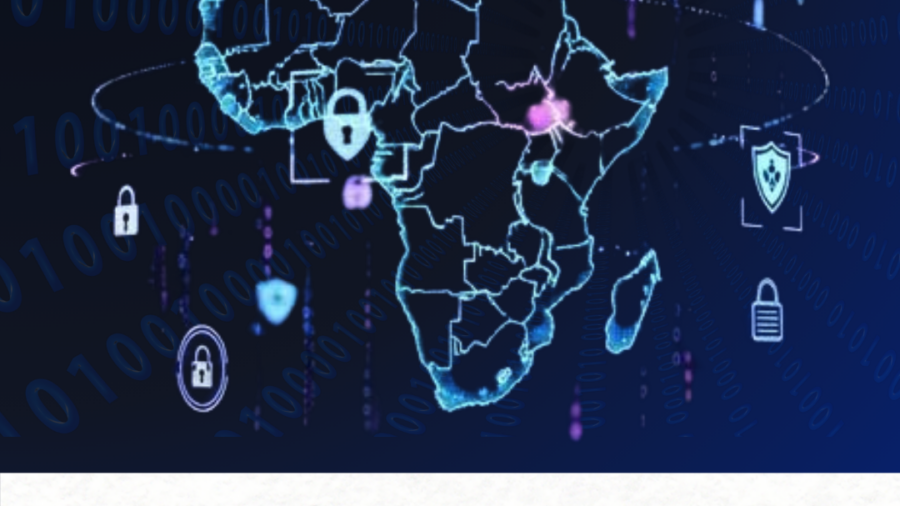
For a long time, the tech world operated under the assumption that strict rules on Artificial Intelligence (AI) would kill innovation, but with the rise of AI governance in Africa, we are proving the exact opposite.
As countries across the continent roll out their AI governance frameworks, the rules and guardrails needed to ensure technology is used safely and fairly, we are unlocking massive new opportunities. We aren’t just copying Western laws; we are building frameworks that fit our unique reality. By combining robust data privacy with clear accountability, Africa is creating a digital environment that investors trust and that citizens genuinely benefit from.
Here is a look at the biggest opportunities this new era of responsible AI creates for businesses and nations across the continent.
1. Building Tech That Actually Understands Us
Right now, a huge portion of global AI is trained on Western data. Consequently, it often fails to understand African languages, nuances, or cultural contexts.
To combat this, the landmark African Union (AU) Continental Artificial Intelligence Strategy heavily encourages building localized Large Language Models (LLMs), the powerful AI systems trained to understand and generate human language, similar to the tech behind ChatGPT. Clear regulations are incentivizing companies to build AI that speaks our languages, from Swahili to Yoruba, preserving our heritage rather than erasing it. (In fact, pioneers like Nigeria have already moved forward with launching Africa’s first multilingual LLM to pave the way)
2. Attracting Serious Global Capital
Capital hates uncertainty. When there are no rules, international investors hesitate because the operating risk is simply too high.
By setting clear boundaries, such as defining how biometric data (fingerprints and face scans) can be used or how to mitigate algorithmic bias (when an AI makes unfair decisions due to flawed training data), African governments are removing that uncertainty. Global investors are deeply committed to Environmental, Social, and Governance (ESG) benchmarks. According to analysis by the Future of Privacy Forum, aligning local laws with frameworks like the Malabo Convention ensures that African businesses baking privacy into their AI infrastructure from day one will find it significantly easier to attract global funding.
3. Fast-Tracking Real-World Solutions via Sandboxes
African regulators are adopting a remarkably practical approach. Instead of blocking new ideas, they are actively championing regulatory sandboxes. A sandbox is a safe, controlled testing environment where startups can pilot cutting-edge tech under the watchful eye of regulators without the immediate fear of compliance penalties.
This allows businesses to move fast to solve high-impact, localized problems across key sectors:
- AgriTech: Using AI to predict erratic weather patterns and help smallholder farmers maximize crop yields.
- HealthTech: Building diagnostic tools trained on local epidemiological data, not foreign statistics.
- FinTech: Safely expanding banking access to millions of unbanked people using smart, automated credit scoring.
The Roadmap: What Happens Next?
To understand where the market is moving, look no further than the OECD-tracked timeline for the AU’s phased implementation plan running from 2025 through 2030:
- Phase 1: Setting the Rules (2025–2026): Right now, countries are laying the foundation. Governments are actively updating their data privacy laws to cover machine learning and establishing national AI advisory boards.
- Phase 2: Building and Scaling (2027–2030): The focus will soon shift to execution. Expect massive investments in training local tech talent, strict enforcement of the new rules, and the systemic integration of AI into government and enterprise operations.
The Bottom Line
Africa is no longer just a passive consumer of foreign technology. By stepping up and creating smart, responsible rules for Artificial Intelligence, we are writing our own playbook. UNESCO reports estimate that AI could add a staggering $1.2-$1.5 trillion to Africa’s economy by 2030. For businesses and leaders paying attention, this isn’t a regulatory burden; it’s the clear path to a thriving digital economy.
At Dataleum, we are not just watching the digital future unfold; we are building it, empowering you to lead the next trillion-dollar economy.